Personal Musings
-
Pedagogy in the Times of AI
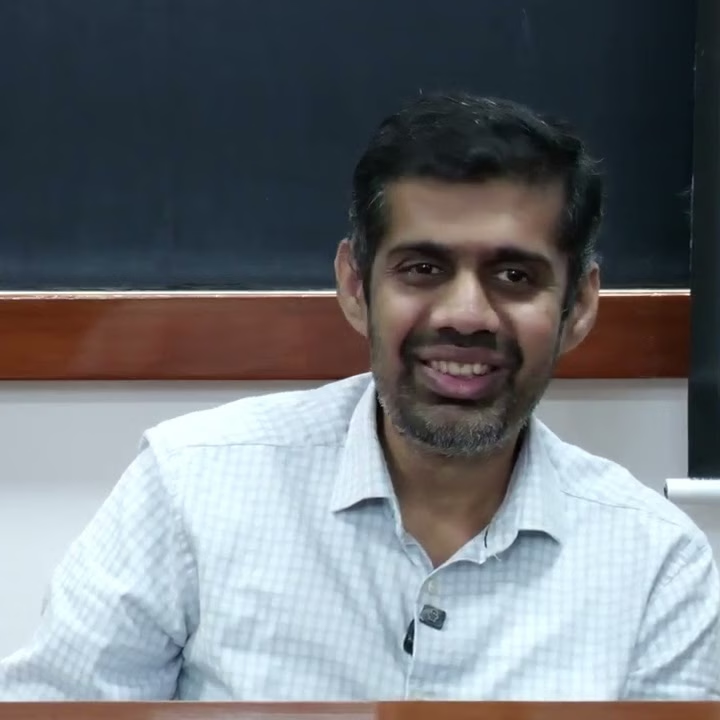
At IISC the professor pauses his deep learning lecture midway. He asked his students why they are still coming to his lecture when Claude or ChatGPT can teach the same maths more patiently. Until a few year ago, I used to hire another person whenever my company's office workload increased. Now, I spend an hour or two with my team to understand what I can automate. Then, I open either Claude Code or Codex to build the tool before my dinner. Eight years ago, my dad paid an agency twenty thousand to build our company's website on Wordpress. Today, I can build one within a max of two days. The agency is still operational, but I don't see them charging the same amount for building a website. None of the tools I build using AI are complicated. Larger companies have been using similar tools for decades. Hiring another person to do the same work in excel was cheaper than hiring a developer or buying software. After my 10th, I knew that engineering and MBA will set me up for life. I was lucky that the model worked for me. In the video, the professor asks what happens when this path is closed. In his talk, the professor doesn't provide any solutions. He expresses the uncertainty that students and people like me face when intelligence becomes a commodity. He clearly states that five years from now, campus placements may cease to exist. So, what will new university graduate do? A hour-long video rarely holds my attention. However I have seen this video twice in the past few days.
-
AI Model Switching Costs
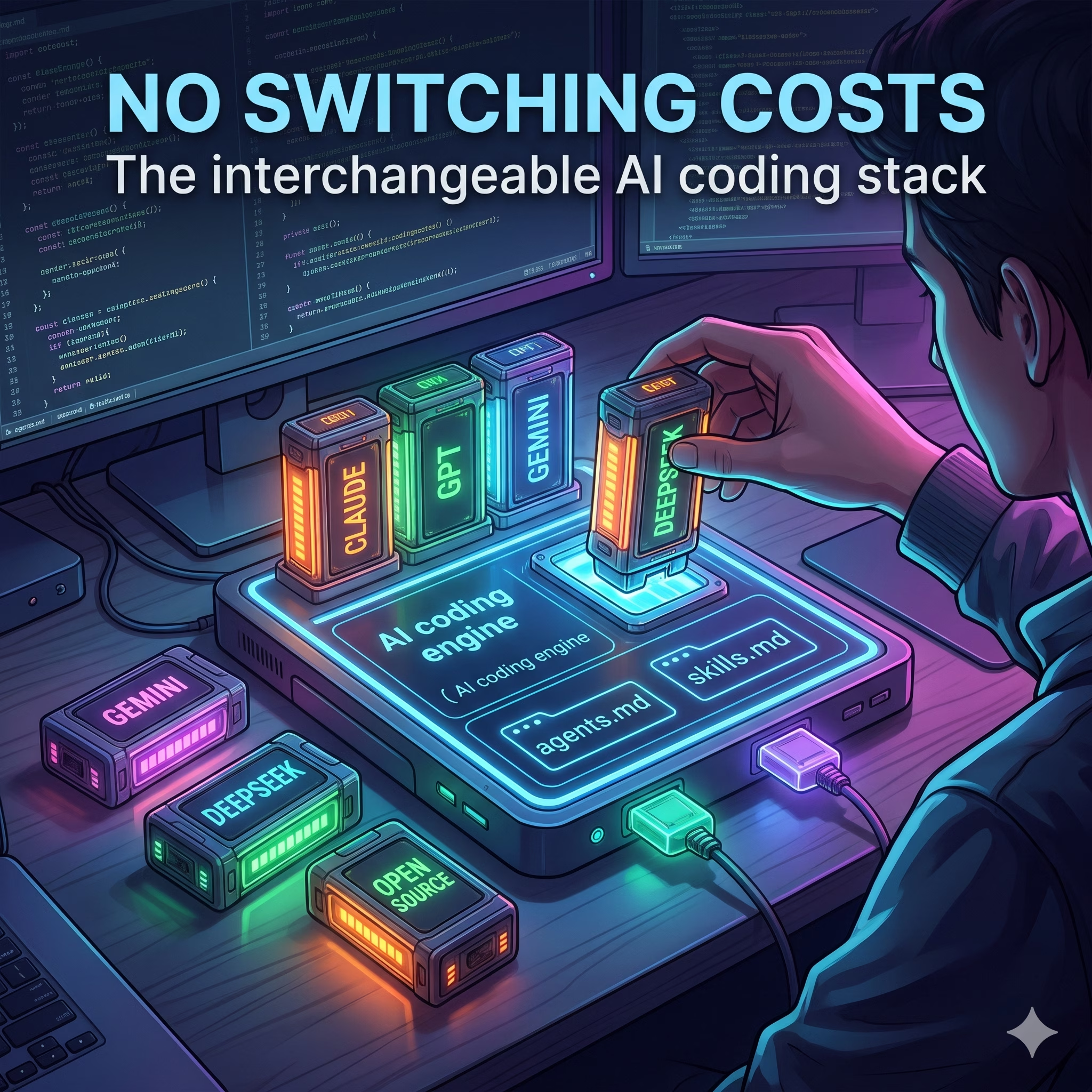
AI models currently have negligible switching costs. The coding harness might be a bit bothersome, but after a week you are good to go. I started my AI coding journey in Claude Code. For a long time, Anthropic models were good enough for me. For almost a year, I did not even use any Open AI, Google or Open source models for my coding. After the launch of GPT-5.5, I used it for a small coding project. The model was as good as Anthropic's models. I shifted between both these models depending on my usage limits. As I coded more and more, my limits got exhausted quickly. I tried Gemini models, but their performance was poor. I subscribed for an Ollama cloud pro plan to try open source models. Quite a few open source models performed as good as the top-tier models, so my model portfolio expanded. In the past few weeks, I rarely used Anthropic models. Both Opus 5 and Claude 5 performed poorly. I was happy using GPT 5.6 Luna and DeepSeek 4.1 Flash for all my coding needs. Open Source models also give me much higher usage limits, so I rarely worried about my weekly limits. Now, after the launch of Opus 5.5, it became my default option. Any AI model or harness can use the same standard agents.md and skills.md file without any issue. AI model developers standardised the entire coding workflow. It is easy to use any model I like. AI model developers standardised the coding workflow to ensure quick adoption. The same process allows people like me to use any model I desire. Now, not everyone will be keen to subscribe to different plans as I did. However, it is far more economical to subscribe to four different pro plans than just one Max plan (80 USD vs 100/200 USD
-
Why is USD the preferred currency for trade
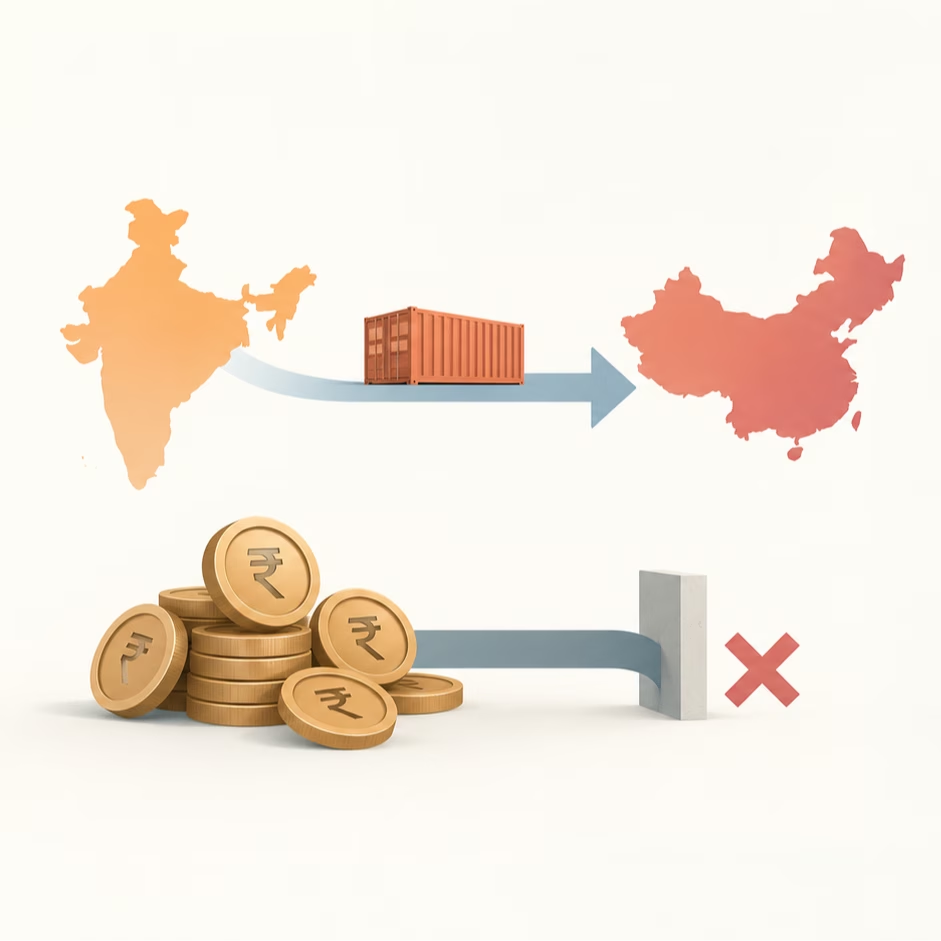
In the past few days, quite a few posts popped up in my LinkedIn feed on why India should stop using USD for trading with other BRICS nations. A few made the argument that BRICS should build its own interoperable payment system (similar to UPI) that frees us from the tyranny of the USD. A few arguments did look convincing, but it got me curious: why is USD the preferred currency for trade? Currency on its own has little value. Its real value is allowing us to buy goods or services, invest, lend, or exchange it for another currency.In FY 2025-26, India imported around $132 billion of goods from China, but exported just around $19.5 billion. So, India had a trade deficit of around $112.5 billion. Now if India pays China in rupees, not USD. China can use some of those rupees to buy Indian goods. However, due to the size of the trade imbalance, China will be left holding a large amount of rupees. China can either invest this excess money in Indian assets or businesses (not easy due to India's current restrictions on Chinese investment) or convert the rupees into yuan or another currency. Now such conversions are not that easy. Someone has to be willing to take those rupees, pay China in yuan or another currency, and then hold or use the rupees themselves. This is why USD wins. Banks, companies, investors and even countries across the world are willing to hold dollars. If India pays China in USD, China can use those dollars to buy US bonds or shares, buy global assets, lend them, or simply purchase goods from other countries. So even if BRICS nations did develop an interoperable system, allowing member nations to trade more in their local currencies, it does not solve the problem caused due to trade imbalances. Someone needs to hold onto the excess currency. Until this is not resolved, it won't be easy to walk away from USD.
-
What Makes an Idea Worth Believing
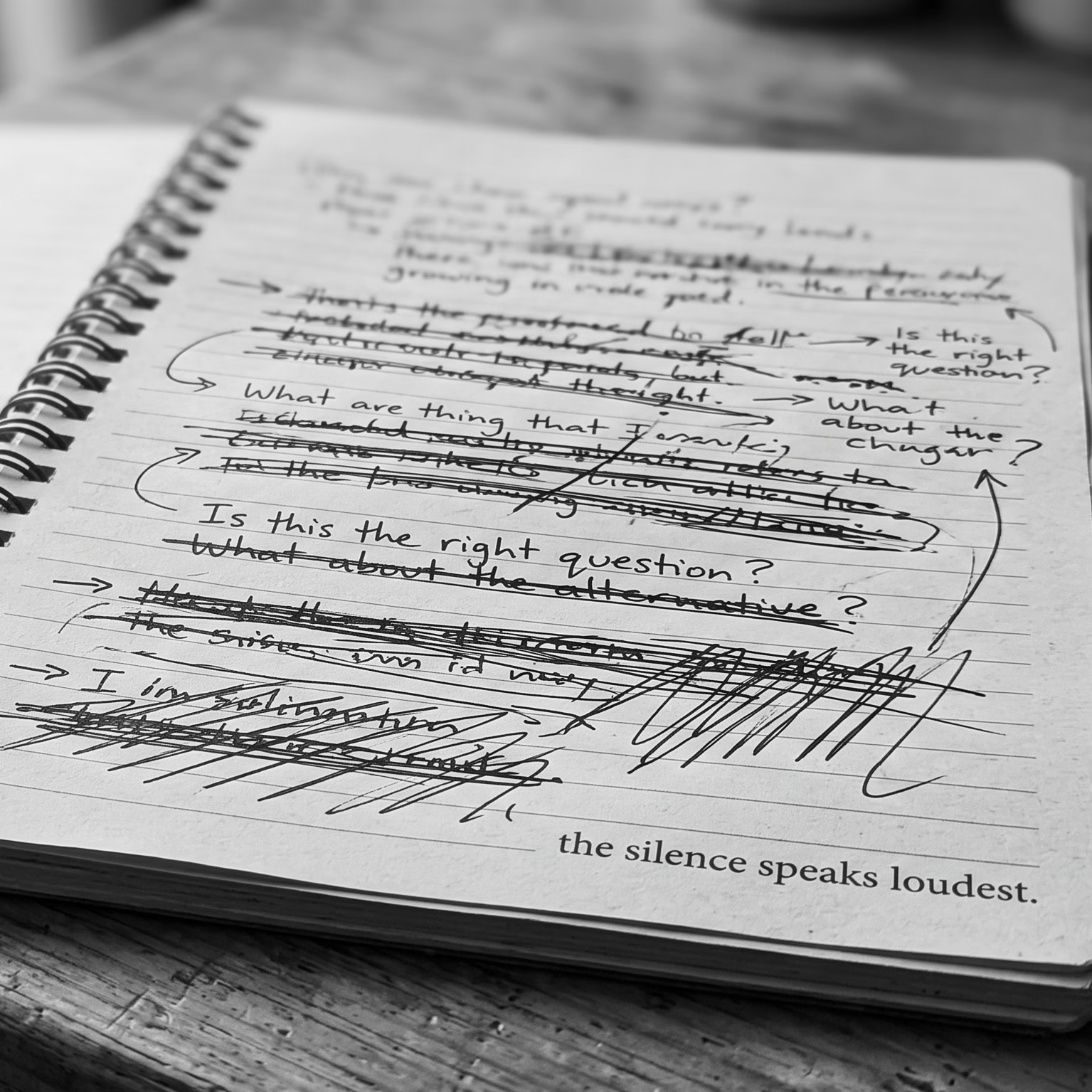
I have been listening to the Pet Shop Boys song ‘It’s a Sin’ on a loop for over a week. “For everything I long to do… It’s a sin.” While the song is about guilt, I was thinking about something else: you struggle to hold a conviction when you have not put in the work to earn it. The thought is influenced by what I am currently reading and listening to: biographies and the Founders Podcast . The lives of entrepreneurs, filmmakers, musicians and athletes made me notice how often strong convictions shaped what they chose to pursue. Ideas arrive easily, but conviction takes more work. Once I write an idea down, it often looks different from how I imagined it. Reading it aloud helps me judge it more clearly. How do I get new ideas? When I read or listen, random ideas often surface in my mind. No interesting idea has ever come when I went looking for one. Most ideas emerge when I connect what I read or hear with my own experiences and thoughts. Once an idea surfaces, I ask myself: Why should this work? How would it work? What assumptions am I making? Where could it fail? After I engage with an idea, I either reject it, pursue another idea, or develop it into a conviction. Consider the idea: invest in equities. Equities typically outperform other asset classes over long periods. To start investing, I need to engage with it by asking: What does long term mean? Why diversify and how do I do it? What happens when markets are down? When should I avoid investing in equities? An idea earns my conviction only after I understand the whys, the hows, the whats and where it might fail.